Posted on September 30, 2024
Losing a tooth or multiple teeth can feel overwhelming – and choosing the right replacement option is crucial for your comfort, confidence, and oral health. When it comes to tooth replacement, dentures and dental implants are two of the most common solutions. But have you ever wondered why more people are opting for dental implants these days? Let’s explore the advantages of dental implants over dentures and uncover why implants might just be the best investment for your smile.
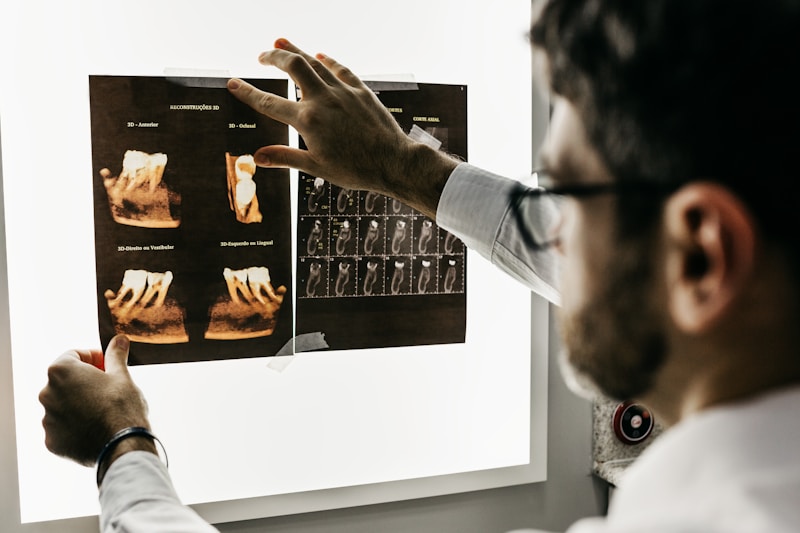
Before we get into the details, it helps to understand what each option entails. Dentures are removable prosthetic teeth, typically made from acrylic, that sit on top of your gums. They can replace some or all of your missing teeth, but since they rest on the gums, they can sometimes shift or cause discomfort.
Dental implants, on the other hand, are titanium posts surgically inserted into your jawbone. They act as artificial tooth roots and provide a stable foundation for fixed or removable replacement teeth designed to look and function like natural teeth.
One of the biggest complaints denture wearers have is that their dentures can slip or move while eating or speaking. This can be both embarrassing and painful. Dental implants provide a secure anchor in your jawbone, so your replacement teeth won’t shift out of place – no adhesives needed.
According to the American Dental Association (ADA), implants have a success rate of over 95%, making them a reliable and long-lasting solution.
Did you know that when you lose teeth, your jawbone can start to deteriorate due to lack of stimulation? Dentures don’t stimulate the jawbone because they simply rest on top of the gums. Over time, this can lead to bone loss, changing the shape of your face and making dentures less stable.
Dental implants mimic natural tooth roots and stimulate the jawbone, helping preserve bone density and facial structure. The Centers for Disease Control and Prevention (CDC) emphasize the importance of bone health for overall oral function and appearance – something implants help maintain effectively.
Have you ever had trouble biting into your favorite crunchy apple or chewy steak because of your dentures? It’s a common issue. Dentures can limit your chewing ability by 50% or more, leading many to avoid certain healthy foods.
Dental implants restore nearly full chewing power, allowing you to eat a wider variety of nutritious foods comfortably. This can positively impact your overall health and quality of life.
While dentures might seem like a budget-friendly option upfront, they often require frequent adjustments, relining, or replacement every 5-7 years. Dental implants typically last 20 years or more – sometimes even a lifetime – with proper care.
When you factor in the cost of ongoing denture maintenance, implants can actually be more cost-effective in the long run. Plus, with their durability, you’ll avoid the hassle and discomfort of frequent dental visits for repairs.
Dental implants look and feel just like natural teeth. They seamlessly blend into your smile, restoring not only function but also your self-esteem. Dentures, especially if ill-fitting, can sometimes look artificial or cause speech difficulties.
By choosing implants, many patients report improved confidence and social interactions – because they don’t have to worry about their teeth shifting or slipping.
Considering dental implants? Here’s a quick overview of the journey:
During this process, you might also need additional treatments such as root canal therapy depending on your oral condition. Our team will walk you through every step.
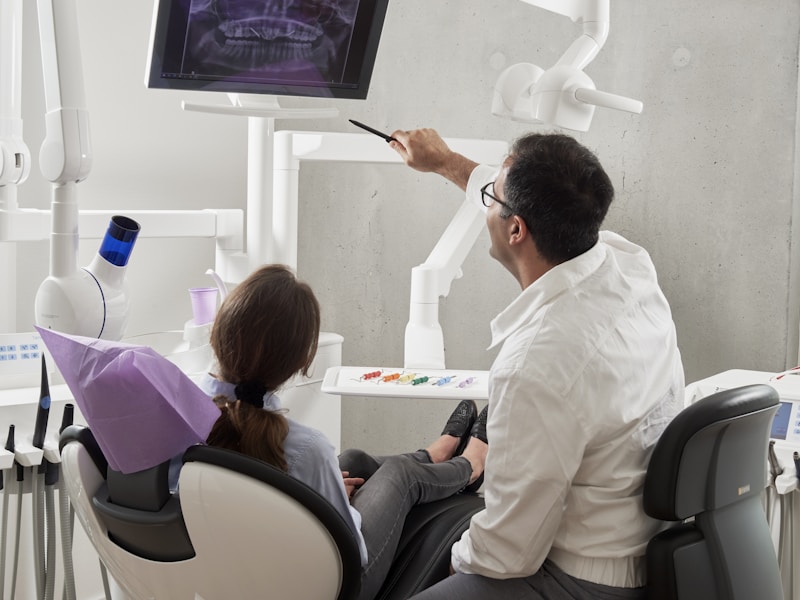
Generally, healthy adults with adequate jawbone density are good candidates for implants. However, if you have bone loss, treatments like bone grafting can prepare your jaw for implants. Your dentist will evaluate your overall health, oral hygiene habits, and any medical conditions that could affect healing.
Even if you wear dentures now, it’s worth discussing with your dental professional whether switching to implants is a viable option. Our dental team in Ann Arbor can help create a personalized treatment plan just for you.
Replacing missing teeth isn’t just about aesthetics – it’s about improving your oral function, health, and quality of life. While dentures have been a traditional solution for many years, dental implants offer numerous advantages that make them a preferred choice for modern patients.
If you’re ready to explore dental implants or simply want to learn more about your options, don’t hesitate to reach out. And if you’re interested in enhancing your smile further, check out our Invisalign clear aligners for discreet teeth straightening. You can also schedule a comprehensive dental exam to get started.
Dental implants can last 20 years or more – often a lifetime – with proper care. Dentures typically need replacement or relining every 5 to 7 years.
The implant procedure is performed under local anesthesia, so you shouldn’t feel pain during the surgery. Some discomfort and swelling afterward are normal but manageable with medication.
Most healthy adults with sufficient jawbone density can receive implants. If bone loss is present, bone grafting might be necessary first.
Implants require regular brushing and flossing just like natural teeth. Maintaining good oral hygiene is essential to prevent gum disease around the implants.
Yes! Implants are custom-made to match your natural teeth in color, shape, and size, providing a seamless and natural appearance.
Ready to take the next step? Contact us to schedule your consultation and discover how dental implants can transform your smile and life.
Find us here
We're genuinely excited to welcome you to our practice. Here's the thing - filling out a form shouldn't feel like applying for a mortgage. Ours is simple. Tell us your name, how to reach you, which dentist you'd like to see, and anything you want us to know ahead of time. That's it. Our friendly front desk team will get back to you promptly to confirm your appointment and answer any questions.