Posted on June 24, 2026
Few dental procedures have a worse reputation than the root canal. Bring one up at dinner, and you’ll have at least one horror story. But here’s the thing, most of what people fear about root canals hasn’t been true for decades. The procedure has changed, and so should the conversation around it. Let’s clear up what a root canal actually is.

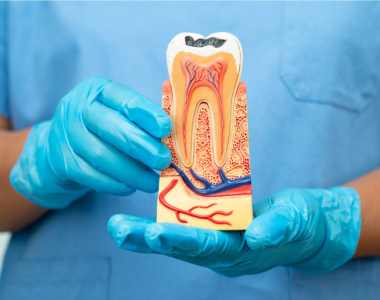
Inside every tooth is a soft tissue called the pulp. It holds the nerves and blood vessels that keep the tooth alive while it is developing. When that pulp gets infected or inflamed usually from deep decay, a crack, or an injury it has to come out. Otherwise, the infection spreads, the pain gets worse, and you risk losing the tooth entirely.
A root canal is how dentists save a tooth. Here’s what happens during the procedure:
That’s it. No mystery, no medieval torture device.
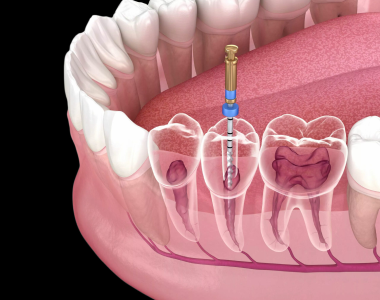
This is the big one, and it’s outdated. Modern root canals feel about the same as getting a filling. Anesthetics and tools are better, and most patients say the procedure itself was a non-event.
Here’s what’s actually true:
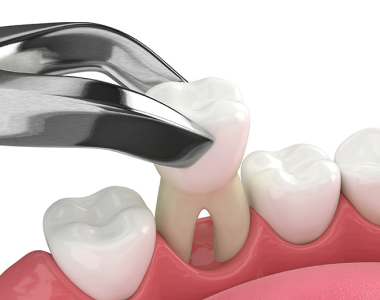
Pulling sounds simpler. It’s usually not, at least not in the long run. Saving your natural tooth, when possible, is almost always the better call. Here’s why:
This one refuses to die, but it should. It traces back to research from the 1920s work by a dentist named Weston Price that was criticized at the time and thoroughly discredited by the 1930s. Yet it still circulates online, often in scary documentaries and social media posts.
The science on this is settled:
The root canal isn’t the threat. The infection is.
Most root canals are done in one or two visits, and the procedure is more efficient than people expect. What a typical appointment looks like:
Catching this kind of problem early makes everything easier. None of the signs below mean a root canal is guaranteed, but all of them are worth a phone call to your dentist:
For most people, recovery is unremarkable. Some mild soreness for a day or two is normal, and it’s easy to manage with a few simple habits:
The best root canal is the one you never need. The basics still work:
Root canals aren’t what they used to be. They’re safe, they’re comfortable, and they save teeth that would otherwise be lost. If fear or old information has been keeping you from making the appointment, talk to your dentist. The sooner the infection is dealt with, the easier the whole thing goes.
Find us here
We're genuinely excited to welcome you to our practice. Here's the thing - filling out a form shouldn't feel like applying for a mortgage. Ours is simple. Tell us your name, how to reach you, which dentist you'd like to see, and anything you want us to know ahead of time. That's it. Our friendly front desk team will get back to you promptly to confirm your appointment and answer any questions.